Not every child falls in love with reading right away, but the right book can spark that curiosity. Here’s a list of engaging, funny, and easy-to-read picks that can help even the most hesitant readers find their next favorite story.
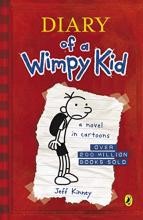
This series presents the life of middle-schooler Greg Heffley through a mix of text and cartoons, making it accessible and relatable for young readers.
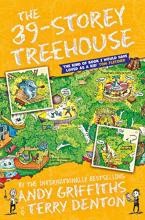
This imaginative series features a treehouse with new levels added in each book, filled with humor and creativity that captivate young minds.
🎯 Tips to Encourage Reluctant Readers
Let Them Choose: Allowing children to select books that interest them can increase their motivation to read.
Incorporate Humor: Funny books can make reading a more enjoyable experience, especially for those who are hesitant.
Use Graphic Novels: The combination of visuals and text in graphic novels can be less intimidating and more engaging for reluctant readers.
Read Together: Sharing reading time can provide support and make the experience more interactive.
Connect to Interests: Selecting books related to a child’s hobbies or passions can spark their interest in reading.
Remember, the goal is to make reading a fun and rewarding experience. By providing access to books that align with their interests and reading levels, you can help reluctant readers develop a lifelong love for reading.
Reading aloud is a powerful tool for improving both pronunciation and comprehension. This technique is widely used in language learning and literacy development, supported by extensive research in educational psychology and linguistics. Whether you are a native speaker or learning English as an additional language, reading aloud engages multiple cognitive and auditory processes, reinforcing language acquisition and fluency.
How Reading Aloud Enhances Pronunciation
Pronunciation is a fundamental aspect of spoken language. When individuals read aloud, they actively produce sounds, enabling them to practice articulation, stress, rhythm, and intonation. Studies have shown that reading aloud enhances phonological awareness, which is crucial for accurate pronunciation (Snow, Burns, & Griffin, 1998).
One of the key benefits of reading aloud is its role in developing phonemic awareness—the ability to recognise and manipulate individual sounds in words. According to Fuchs, Fuchs, and Hosp (2001), phonemic awareness is directly linked to reading fluency and accurate pronunciation. By repeatedly vocalizing words, learners refine their ability to distinguish and produce difficult phonemes, leading to clearer speech.
Additionally, reading aloud allows learners to hear themselves, facilitating self-correction. Research by McCandliss, Beck, Sandak, and Perfetti (2003) highlights the role of auditory feedback in improving pronunciation accuracy. When individuals listen to their own spoken words, they can identify errors and adjust their articulation accordingly. This process is particularly beneficial for language learners who struggle with unfamiliar sounds.
How Reading Aloud Improves Comprehension
Reading aloud does more than just refine pronunciation—it also significantly enhances comprehension. Comprehension involves decoding words, understanding sentence structure, and making sense of the text’s meaning. Research suggests that reading aloud promotes deeper cognitive engagement with the text, improving retention and understanding (Kuhn & Stahl, 2003).
One reason for this improvement is the dual processing of information. When reading silently, learners rely primarily on visual decoding. However, when reading aloud, both visual and auditory pathways are activated, reinforcing meaning through multiple sensory inputs (Nation, 2009). This multimodal approach strengthens word recognition and contextual understanding.
Moreover, reading aloud improves fluency, which is essential for comprehension. Fluency refers to the ability to read with speed, accuracy, and expression. According to Rasinski (2012), fluency serves as a bridge between word recognition and comprehension. When readers struggle with fluency, their cognitive resources are directed toward decoding words rather than understanding the text. Reading aloud provides opportunities to practice pacing and prosody, leading to smoother and more meaningful reading experiences.
Practical Applications of Reading Aloud
To maximise the benefits of reading aloud, educators and learners can incorporate the following strategies:
Choral Reading: Reading together as a group to model correct pronunciation and pacing.
Echo Reading: Listening to a proficient reader and repeating sentences to mimic pronunciation.
Recorded Reading: Recording oneself reading aloud and reviewing for pronunciation improvements.
Paired Reading: Partnering with a fluent reader for guidance and feedback.
Conclusion
The practice of reading aloud offers substantial benefits for pronunciation and comprehension, making it an invaluable tool for language learners and literacy development. Supported by research, this strategy strengthens phonemic awareness, fluency, and overall reading proficiency. By incorporating reading aloud into daily learning routines, individuals can enhance their language skills and achieve greater confidence in their reading and speaking abilities.
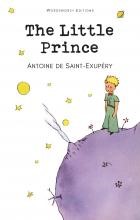
The Little Prince is a classic tale of equal appeal to children and adults. On one level it is the story of an airman’s discovery, in the desert, of a small boy from another planet – the Little Prince of the title – and his stories of intergalactic travel, while on the other hand, it is a thought-provoking allegory of the human condition.
First published in 1943, the year before the author’s death in action, this translation contains Saint-Exupery’s delightful illustrations.
The Eighth Story. Nineteen Years Later.
Based on an original new story by J.K. Rowling, Jack Thorne and John Tiffany, a new play by Jack Thorne.
Based on an original new story by J.K. Rowling, Jack Thorne and John Tiffany, a new play by Jack Thorne, Harry Potter and the Cursed Child is the eighth story in the Harry Potter series and the first official Harry Potter story to be presented on stage. The play will receive its world premiere in London’s West End on 30th July 2016. It was always difficult being Harry Potter and it isn’t much easier now that he is an overworked employee of the Ministry of Magic, a husband, and father of three school-age children. While Harry grapples with a past that refuses to stay where it belongs, his youngest son Albus must struggle with the weight of a family legacy he never wanted. As past and present fuse ominously, both father and son learn the uncomfortable truth: sometimes, darkness comes from unexpected places.
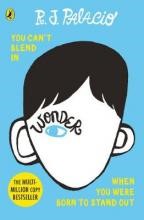
My name is August. I won’t describe what I look like. Whatever you’re thinking, it’s probably worse.’ Auggie wants to be an ordinary ten-year-old. He does ordinary things – eating ice cream, playing on his Xbox. He feels ordinary – inside. But ordinary kids don’t make other ordinary kids run away screaming in playgrounds. Ordinary kids aren’t stared at wherever they go. Born with a terrible facial abnormality, Auggie has been home-schooled by his parents his whole life. Now, for the first time, he’s being sent to a real school – and he’s dreading it. All he wants is to be accepted – but can he convince his new classmates that he’s just like them, underneath it all? Wonder is a funny, frank, astonishingly moving debut to read in one sitting, pass on to others, and remember long after the final page.
Which famous writer goes best with a hot dog? Roll Dahl of course!
Laugh yourself silly with Roald Dahl’s Marvellous Joke Book, filled with over 400 hilarious jokes, limericks and riddles, illustrated by Quentin Blake.
Based on Roald Dahl’s most famous characters you will be chortling away with Matilda, Charlie, George, The BFG, James and many more!
Roald Dahl was full of fun and mischief, and LOVED all kinds of jokes- the sillier the better, like chocolate-covered chickens to grizzly, grouchy grandmas.T
his side-splitting book includes his own ‘knock-knock’ jokes, keeping all practising jokesters amused for hours!
Brain Games for Clever Kids is a fantastic bestselling puzzle book, brimming with memory, word and number workouts for the cleverest of kids!
Including battleships and mind-bending spot the differences to Japanese puzzles including hanjie, kakuro, futoshiki, sudoku and lots more.
Let the brain games begin!
Other books in the series include:
9781780553078 Wordsearches for Clever Kids
9781780553146 Quiz Book for Clever Kids
9781780553085 Crosswords for Clever Kids
9781780555409 Maths Games for Clever Kids
9781780554723 Brain Gaming for Clever Kids
9781780555621 Times Tables Games for Clever Kids
9781780554730 Word Games for Clever Kids
9781780555638 Travel Puzzles for Clever Kids
9781780555935 10-Minute Brain Games for Clever Kids
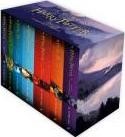
Escape to Hogwarts with the unmissable series that has sparked a lifelong reading journey for children and families all over the world!
Harry Potter has never even heard of Hogwarts when letters start dropping on the doormat at number four, Privet Drive. Addressed in green ink on yellowish parchment with a purple seal, they are swiftly confiscated by his grisly aunt and uncle. Then, on Harry’s eleventh birthday, a great beetle-eyed giant of a man called Rubeus Hagrid bursts in with some astonishing news – Harry Potter is a wizard, and he has a place at Hogwarts School of Witchcraft and Wizardry. The magic starts here …
These irresistible editions, presented in a gorgeous slipcase featuring Hogwarts, are the essential Harry Potter. A must-have for every child at the start of the most magical reading adventure. These books are to be treasured and read time and time again, as readers lose themselves in the greatest children’s story of all time.
We are the Liars. We are beautiful, privileged and live a life of carefree luxury. We are cracked and broken. A story of love and romance.A tale of tragedy. Which are lies? Which is the truth?
Another hilarious and moving novel from bestselling, critically acclaimed author David Walliams, the natural successor to Roald Dahl. A story of prejudice and acceptance, funny lists and silly words, this new book has all the hallmarks of David’s previous bestsellers. Our hero Ben is bored beyond belief after he is made to stay at his grandma’s house. She’s the most boring grandma ever: all she wants to do is to play Scrabble and eat cabbage soup. But there are two things Ben doesn’t know about his grandma. 1) She was once an international jewel thief. 2) All her life, she has been plotting to steal the crown jewels, and now she needs Ben’s help…
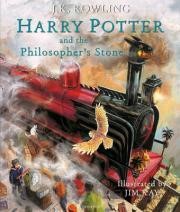
Prepare to be spellbound by Jim Kay’s dazzling depiction of the wizarding world and much loved characters in this full-colour illustrated hardback edition of the nation’s favourite children’s book – Harry Potter and the Philosopher’s Stone. Brimming with rich detail and humour that perfectly complements J.K. Rowling’s timeless classic, Jim Kay’s glorious illustrations will captivate fans and new readers alike.
When a letter arrives for unhappy but ordinary Harry Potter, a decade-old secret is revealed to him that apparently he’s the last to know. His parents were wizards, killed by a Dark Lord’s curse when Harry was just a baby, and which he somehow survived. Leaving his unsympathetic aunt and uncle for Hogwarts School of Witchcraft and Wizardry, Harry stumbles upon a sinister mystery when he finds a three-headed dog guarding a room on the third floor. Then he hears of a missing stone with astonishing powers, which could be valuable, dangerous – or both. An incredible adventure is about to begin!
Escape to Hogwarts with the unmissable series that has sparked a lifelong reading journey for children and families all over the world. The magic starts here.
Harry Potter has never even heard of Hogwarts when the letters start dropping on the doormat at number four, Privet Drive. Addressed in green ink on yellowish parchment with a purple seal, they are swiftly confiscated by his grisly aunt and uncle. Then, on Harry’s eleventh birthday, a great beetle-eyed giant of a man called Rubeus Hagrid bursts in with some astonishing news: Harry Potter is a wizard, and he has a place at Hogwarts School of Witchcraft and Wizardry. The magic starts here!
These editions of the classic and internationally bestselling Harry Potter series feature thrilling jacket artwork by award-winning illustrator Jonny Duddle. They are the perfect starting point for anyone who’s ready to lose themselves in the greatest children’s story of all time.
This Printz Honor Book is a “tender, honest exploration of identity” (Publishers Weekly) that distills lyrical truths about family and friendship.
Aristotle is an angry teen with a brother in prison. Dante is a know-it-all who has an unusual way of looking at the world. When they meet at the swimming pool, they seem to have nothing in common. But as the two loners start spending time together, they discover that they share a special kind of friendship–the kind of friendship that changes lives and lasts a lifetime. And it is through their friendship that Ari and Dante will learn the most important truths about themselves–and about the kind of people, they want to be.
Sixteen-year-old Katniss Everdeen regards it as a death sentence when she is forced to represent her district in the annual Hunger Games, a fight to the death on live TV. But Katniss has been close to death before-and survival, for her, is second nature. The Hunger Games is a searing novel set in a future with unsettling parallels to our present. Welcome to the deadliest reality TV show ever…
Nominated for the CILIP Carnegie & Kate Greenaway Children’s Book Awards 2018.
Kate Pankhurst, the descendent of Emmeline Pankhurst, has created this wildly wonderful and accessible book about women who really changed the world.
Discover fascinating facts about some of the most amazing women who changed the world we live in. Fly through the sky with the incredible explorer Amelia Earhart, and read all about the Wonderful Adventures of Mary Seacole with the number one best-selling children’s non-fiction title in the UK market this year.
Bursting full of beautiful illustrations and astounding facts, Fantastically Great Women Who Changed the World is the perfect introduction to just a few of the most incredible women who helped shaped the world we live in.
List of women featured: Jane Austen, Gertrude Ederle, Coco Chanel, Frida Kahlo, Marie Curie, Mary Anning, Mary Seacole, Amelia Earhart, Agent Fifi, Sacagawea, Emmeline Pankhurst, Rosa Parks, Anne Frank
J.K. Rowling’s screenwriting debut is captured in this exciting hardcover edition of the Fantastic Beasts and Where to Find Them screenplay.
When Magizoologist Newt Scamander arrives in New York, he intends his stay to be just a brief stopover. However, when his magical case is misplaced and some of Newt’s fantastic beasts escape, it spells trouble for everyone…Fantastic Beasts and Where to Find Them marks the screenwriting debut of J.K. Rowling, author of the beloved and internationally bestselling Harry Potter books. Featuring a cast of remarkable characters, this is epic, adventure-packed storytelling at its very best. Whether an existing fan or new to the wizarding world, this is a perfect addition to any reader’s bookshelf.
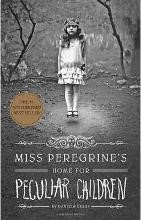
A mysterious island. An abandoned orphanage. And a strange collection of very curious photographs. It all waits to be discovered in Miss Peregrine’s Home for Peculiar Children, an unforgettable novel that mixes fiction and photography in a thrilling reading experience. As our story opens, a horrific family tragedy sets sixteen-year-old Jacob journeying to a remote island off the coast of Wales, where he discovers the crumbling ruins of Miss Peregrine’s Home for Peculiar Children. As Jacob explores its abandoned bedrooms and hallways, it becomes clear that the children who once lived here – one of whom was his own grandfather – were more than just peculiar. They may have been dangerous. They may have been quarantined on a desolate island for good reason. And somehow – impossible though it seems – they may still be alive. A spine-tingling fantasy illustrated with haunting vintage photography, Miss Peregrine’s Home for Peculiar Children will delight adults, teens, and anyone who relishes an adventure in the shadows.
You’ve never heard of The Tales of Beedle the Bard?’ said Ron incredulously. ‘You’re kidding, right?’ (From Harry Potter and the Deathly Hallows) Published by the charity Lumos in association with Bloomsbury Publishing Plc, The Tales of Beedle the Bard is the first new book from J. K. Rowling since the publication of Harry Potter and the Deathly Hallows. The Tales of Beedle the Bard played a crucial role in assisting Harry, with his friends Ron and Hermione, to finally defeat Lord Voldemort. Fans will be thrilled to have this opportunity to read the tales in full. An exciting addition to the canon of Harry Potter, the tales reveal the wonderful versatility of the author, as she tackles with relish the structure and varying tones of a classic fairy tale. There are five tales: ‘The Tale of the Three Brothers’, recounted in Deathly Hallows, plus ‘The Fountain of Fair Fortune’, ‘The Warlock’s Hairy Heart’, ‘The Wizard and the Hopping Pot’, and ‘Babbitty Rabbitty and her Cackling Stump’. Each has its own magical character and will bring delight, laughter and the thrill of mortal peril.
Translated from the original runes by Hermione Granger, the tales are introduced and illustrated by J. K. Rowling. Also included are notes by Professor Albus Dumbledore, which appear by kind permission of the Hogwarts Headmasters’ Archive. Lumos is a charity founded by J. K. Rowling which aims to make life better for disadvantaged children. Registered Charity Number: 1112575.
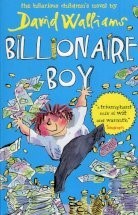
A hilarious, touching and extraordinary new fable from David Walliams, number one bestseller and one of the fastest-growing children’s authors across the globe.
Joe has a lot of reasons to be happy. About a billion of them, in fact.
You see, Joe’s rich. Really, really rich. Joe’s got his own bowling alley, his own cinema, even his own butler who is also an orangutan. He’s the wealthiest twelve-year-old in the land.
Yes, Joe has absolutely everything he could possibly want. But there’s just one thing he really needs: a friend…
Despite the tumour-shrinking medical miracle that has bought her a few years, Hazel has never been anything but terminal, her final chapter inscribed upon diagnosis. But when a gorgeous plot twist named Augustus Waters suddenly appears at Cancer Kid Support Group, Hazel’s story is about to be completely rewritten. Insightful, bold, irreverent, and raw, `The Fault in Our Stars is award-winning author John Green’s most ambitious and heartbreaking work yet, brilliantly exploring the funny, thrilling, and tragic business of being alive and in love. This book comes from the `New York Times bestselling author of `Looking for Alaska`, `An Abundance of Katherines`, `Paper Towns` and – with David Levithan – Will Grayson, Will Grayson. John Green has over 1.2 million Twitter followers, and almost 700,000 subscribers to Vlogbrothers, the YouTube channel he created with his brother, Hank. `The Fault in Our Stars will capture a crossover audience in the same vein as Zadie Smith, David Nicholls’ `One Day and `Before I Die` by Jenny Downham. `Electric …Filled with staccato bursts of humour and tragedy.` (`Jodi Picoult`).
`A novel of life and death and the people caught in between, `The Fault in Our Stars is John Green at his best. You laugh, you cry, and then you come back for more` (Markus Zusak, author of `The Book Thief`). John Green is an award-winning, `New York Times bestselling author whose many accolades include the Printz Medal, a Printz Honor, and the Edgar Award. With his brother, Hank, John is one half of the Vlogbrothers (youtube.com/vlogbrothers), one of the most popular online video projects in the world. You can join John’s 1.2 million followers on Twitter (@realjohngreen) or visit him online at johngreenbooks.com and fishingboatproceeds.tumblr.com. John lives with his wife and son in Indianapolis, Indiana.
Create heroic characters for the world’s greatest roleplaying game.
The Player’s Handbook is the essential reference for every Dungeons & Dragons roleplayer. It contains rules for character creation and advancement, backgrounds and skills, exploration and combat, equipment, spells, and much more. Use this book to create characters from among the most iconic D&D races and classes.
Publisher’s Weekly #1 Best Seller in Hardcover Nonfiction
Wall Street Journal #1 Best Seller in Hardcover Nonfiction
– In Dungeons & Dragons, you and your friends coauthor your own legend. Guided by a Dungeon Master, you create characters and play their roles in a story, rolling dice and navigating maps as you unfold a tale as limitless as your imagination. – The Player’s Handbook is the first of three D&D core rulebooks, along with the Monster Manual and the Dungeon Master’s Guide. The Player’s Handbook is the cornerstone. It’s the foundational text of D&D’s fifth edition–for beginners and for veterans alike. – The Player’s Handbook walks you through how to create a Dungeons & Dragons character–the role you’ll play in the D&D world.
– Dungeons & Dragons is the world’s greatest roleplaying game. Created in 1974, D&D transformed gaming culture by blending traditional fantasy with miniatures and wargaming.
*The Grishaverse will be coming to Netflix soon with Shadow and Bone, an original series!*
Nominated for the CILIP Carnegie Medal 2017, this fantasy epic from the No. 1 NEW YORK TIMES bestselling author of the Grisha trilogy is gripping, sweeping and memorable – perfect for fans of George R. R. Martin, Laini Taylor and Kristin Cashore.
Criminal prodigy Kaz Brekker is offered a chance at a deadly heist that could make him rich beyond his wildest dreams – but he can’t pull it off alone.
A convict with a thirst for revenge.
A sharpshooter who can’t walk away from a wager.
A runaway with a privileged past.
A spy known as the Wraith.
A Heartrender using her magic to survive the slums.
A thief with a gift for unlikely escapes.
Six dangerous outcasts. One impossible heist.
Kaz’s crew is the only thing that might stand between the world and destruction – if they don’t kill each other first.
An epic new exploration of the Grisha universe from the writer of SHADOW AND BONE, SIEGE AND STORM and RUIN AND RISING, totally consuming for both old fans and new.
The book that started the phenomenon. Sarah J. Maas’s global #1 bestselling THRONE OF GLASS series has taken the world by storm.
Meet Celaena Sardothien.
Beautiful. Deadly. Destined for greatness.
In the dark, filthy salt mines of Endovier, an eighteen-year-old girl is serving a life sentence. She is a trained assassin, the best of her kind, but she made a fatal mistake. She got caught.
Young Captain Westfall offers her a deal: her freedom in return for one huge sacrifice. Celaena must represent the prince in a to-the-death tournament – fighting the most gifted thieves and assassins in the land. Live or die, Celaena will be free. Win or lose, she is about to discover her true destiny. But will her assassin’s heart be melted?
All five books in the blockbuster Percy Jackson and the Olympians series, in paperback, collected in a boxed set fit for demigods, complete with a bonus poster!
Now with glorious new cover art and packaged with a special poster, this value-priced set includes the best-selling The Lightning Thief, The Sea of Monsters, The Titan’s Curse, The Battle of the Labyrinth, and The Last Olympian.
Accompany the son of the sea god Poseidon and his other demigod friends as they go on a series of quests that will have them facing monsters, gods, and conniving figures from Greek mythology. Do they have what it takes to save the Olympians from an ancient enemy?
Whether it is for readers who are experiencing Percy’s funny and thrilling adventures for the first time, or for fans who want to devour the saga again, this gift will be prized by readers aged 8-80.
This beloved series, read in schools across the world, has inspired two motion pictures and a Broadway musical. It is currently in development for a television series on Disney+.
Harry Potter’s summer has included the worst birthday ever, doomy warnings from a house-elf called Dobby, and rescue from the Dursleys by his friend Ron Weasley in a magical flying car! Back at Hogwarts School of Witchcraft and Wizardry for his second year, Harry hears strange whispers echo through empty corridors – and then the attacks start. Students are found as though turned to stone … Dobby’s sinister predictions seem to be coming true.
These new editions of the classic and internationally bestselling, multi-award-winning series feature instantly pick-up-able new jackets by Jonny Duddle, with huge child appeal, to bring Harry Potter to the next generation of readers. It’s time to PASS THE MAGIC ON …
The beloved story of a spunky young girl and her hilarious escapades. A rollicking story.–The Horn Book Tommy and his sister Annika have a new neighbour, and her name is Pippi Longstocking. She has crazy red pigtails, no parents to tell her what to do, a horse that lives on her porch, and a flair for the outrageous that seems to lead to one adventure after another!
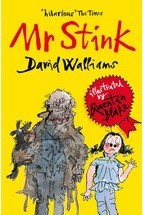
The second original, touching, twisted, and most of all hilarious novel for children from David Walliams, number one bestseller and fastest growing children’s author in the country – beautifully illustrated by Quentin Blake.
“Mr Stink stank. He also stunk. And if it was correct English to say he stinked, then he stinked as well…”
It all starts when Chloe makes friends with Mr Stink, the local tramp. Yes, he smells a bit. But when it looks like he might be driven out of town, Chloe decides to hide him in the garden shed.
Now Chloe’s got to make sure no one finds out her secret. And speaking of secrets, there just might be more to Mr Stink than meets the eye… or the nose.
From the bestselling author of Charlie and the Chocolate Factory and The BFG! Matilda is a sweet, exceptional young girl, but her parents think she’s just a nuisance. She expects school to be different but there she has to face Miss Trunchbull, a kid-hating terror of a headmistress. When Matilda is attacked by the Trunchbull she suddenly discovers she has a remarkable power with which to fight back. It’ll take a superhuman genius to give Miss Trunchbull what she deserves and Matilda may be just the one to do it!
Matilda will surely go straight to children’s hearts. –The New York Times Book Review
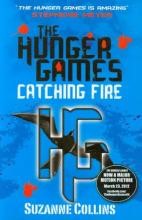
After winning the brutal Hunger Games, Katniss Everdeen returns to
her district, hoping for a peaceful future.
But Katniss starts to hear rumours of a deadly rebellion against
the Capitol. A rebellion that she and Peeta have helped to create.
As Katniss and Peeta are forced to visit the districts on the Capitol’s
cruel Victory Tour, the stakes are higher than ever. Unless
Katniss and Peeta can convince the world that they are still lost
in their love for each other, the consequences will be horrifying.
Shy, introspective, intelligent beyond his years, caught between trying to live his life and trying to run from it, Charlie is attempting to navigate through the uncharted territory of high school. The world of first dates and mixed tapes, family dramas and new friends. The world of sex, drugs, and music – when all one requires to feel infinite is that perfect song on that perfect drive. Standing on the fringes of life Charlie has a unique perspective of the world around him, but there comes a time to stop being a wallflower and see what it looks like from the dance floor. This haunting novel about the dilemma of passivity vs. passion has become a modern classic. Charlie’s letters are singular and unique, hilarious and devastating and through Charlie, Stephen Chbosky has created a deeply affecting story that will spirit you back to those wild and poignant roller coaster days known as growing up.
Set in a dark vision of the near future, a terrifying reality TV show is taking place. Twelve boys and twelve girls are forced to appear in a live event called The Hunger Games. There is only one rule: kill or be killed. When sixteen-year-old Katniss Everdeen steps forward to take her younger sister’s place in the games, she sees it as a death sentence. But Katniss has been close to death before. For her, survival is second nature.
The first book in the global phenomenon from #1 international bestselling author Jeff Kinney – 250 million copies of the series sold worldwide!
‘Let me get something straight: this is a JOURNAL, not a diary… The other thing I want to clear up right away is that this was MOM’s idea, not mine.’
Things aren’t going well for Greg Heffley.
He’s been thrust into a new school where undersize weaklings share the corridors with kids who are taller, meaner and already shaving.
Along with his friend Rowley, Greg’s desperate to prove his new maturity, which only going up a grade can bring. But when Rowley’s star starts to rise, will Greg be able to reach the same heights of popularity as his best friend?
WHAT’S IN DIARY OF A WIMPY KID?
50% words, 50% cartoons, 100% hilarious!
Stories that all readers can’t wait to get their hands on
Laughter guaranteed!
*BRAND NEW* DIARY OF A WIMPY KID: THE DEEP END IS OUT NOW!
And DON’T MISS an all-new fantasy from Greg’s best friend in Rowley Jefferson’s Awesome Friendly Adventure, the follow-up to the instant #1 bestseller Diary of an Awesome Friendly Kid: Rowley Jefferson’s Journal.
‘Kinney is right up there with J K Rowling as one of the bestselling children’s authors on the planet’ Independent
Have you read all the DIARY OF A WIMPY KID series?
Diary of a Wimpy Kid
Diary of a Wimpy Kid: Roderick Rules
Diary of a Wimpy Kid: The Last Straw
Diary of a Wimpy Kid: Dog Days
Diary of a Wimpy Kid: The Ugly Truth
Diary of a Wimpy Kid: Cabin Fever
Diary of a Wimpy Kid: The Third Wheel
Diary of a Wimpy Kid: Hard Luck
Diary of a Wimpy Kid: The Long Haul
Diary of a Wimpy Kid: Old School
Diary of a Wimpy Kid: Double Down
Diary of a Wimpy Kid: The Getaway
Diary of a Wimpy Kid: The Meltdown
Diary of a Wimpy Kid: Wrecking Ball
Diary of a Wimpy Kid: The Deep End – the BRAND NEW Wimpy Kid book – out now!!
Everything, Everything is now a major motion picture starring Amanda Stenberg from The Hunger Games and Love Simon’s Nick Robinson.
A #1 New York Times Bestseller!
‘Loved this book!’- Zoella
Maddy is allergic to the world; stepping outside the sterile sanctuary of her home could kill her. But then Olly moves in next door. And just like that, Maddy realizes there’s more to life than just being alive. You only get one chance at first love. And Maddy is ready to risk everything, everything to see where it leads.
‘Powerful, lovely, heart-wrenching, and so absorbing I devoured it in one sitting’ – Jennifer Niven, author of All the Bright Places
And don’t miss Nicola Yoon’s #1 New York Times bestseller The Sun Is Also a Star, in which two teens are brought together just when the universe is sending them in opposite directions.
The 39-Storey Treehouse is the third book in Andy Griffith’s and Terry Denton’s wacky treehouse adventures, where the laugh-out-loud story is told through a combination of text and fantastic cartoon-style illustrations.
Andy and Terry’s amazing treehouse has thirteen new levels! They’ve added a chocolate waterfall you can swim in, a volcano for toasting marshmallows, a bulldozer-battling level, a baby-dinosaur-petting zoo, a not-very-merry merry-go-round, a boxing elephant called the Trunkinator, an X-ray room, a disco with a light-up dance floor, the world’s scariest roller coaster and a top-secret thirty-ninth level which hasn’t even been finished yet!
But how can they enjoy all this brilliant stuff when they have to write a book faster than they’ve ever done before? You’ll have to read it to find out!
Prepare to be spellbound by Jim Kay’s dazzling full-colour illustrations in this stunning new edition of J.K. Rowling’s Harry Potter and the Chamber of Secrets. Breathtaking scenes, dark themes and unforgettable characters – including Dobby and Gilderoy Lockhart – await inside this fully illustrated edition. With paint, pencil and pixels, award-winning illustrator Jim Kay conjures the wizarding world as we have never seen it before. Fizzing with magic and brimming with humour, this inspired reimagining will captivate fans and new readers alike, as Harry and his friends, now in their second year at Hogwarts School of Witchcraft and Wizardry, seek out a legendary chamber and the deadly secret that lies at its heart …
NOW A HULU ORIGINAL SERIES! The award-winning, genre-defining debut from John Green, the #1 bestselling author of Turtles All the Way Down and The Fault in Our Stars
Winner of the Michael L. Printz Award – A Los Angeles Times Book Prize Finalist – A New York Times Bestseller – A USA Today Bestseller – NPR’s Top Ten Best-Ever Teen Novels – TIME magazine’s 100 Best Young Adult Novels of All Time – A PBS Great American Read Selection – Millions of copies sold!
First drink. First prank. First friend. First love. Last words. Miles Halter is fascinated by famous last words–and tired of his safe life at home. He leaves for boarding school to seek what the dying poet François Rabelais called the “Great Perhaps.” Much awaits Miles at Culver Creek, including Alaska Young, who will pull Miles into her labyrinth and catapult him into the Great Perhaps.
Looking for Alaska brilliantly chronicles the indelible impact one life can have on another. A modern classic, this stunning debut marked #1 bestselling author John Green’s arrival as a groundbreaking new voice in contemporary fiction. Newly updated edition includes a brand-new Readers’ Guide featuring a Q&A with author John Green
A love story by Rainbow Rowell, the New York Times bestselling author of Eleanor & Park.
Cath and Wren are identical twins, and until recently they did absolutely everything together. Now they’re off to university and Wren’s decided she doesn’t want to be one half of a pair any more – she wants to dance, meet boys, go to parties and let loose. It’s not so easy for Cath. She’s horribly shy and has always buried herself in the fan fiction she writes, where she always knows exactly what to say and can write a romance far more intense than anything she’s experienced in real life.
Without Wren Cath is completely on her own and totally outside her comfort zone. She’s got a surly room-mate with a charming, always-around boyfriend, a fiction-writing professor who thinks fan fiction is the end of the civilized world, a handsome classmate who only wants to talk about words . . . And she can’t stop worrying about her dad, who’s loving and fragile and has never really been alone.
Now Cath has to decide whether she’s ready to open her heart to new people and new experiences, and she’s realizing that there’s more to learn about love than she ever thought possible . . .
Fangirl by Rainbow Rowell comes with special bonus material; the first chapter from Rainbow’s irresistible novel Carry On.
Did you think Cinderella married the prince and lived happily ever after, or that the three little pigs outsmarted the wolf? Think again! Master storyteller Roald Dahl adds his own darkly comic twists to six favourite tales, complete with rambunctious rhymes and hilarious surprise endings.
RE-ORDER THE BRAND NEW HUNGER GAMES NOVEL – THE BALLAD OF SONGBIRDS
AND SNAKES – TODAY! Out May 2020.
The second book in the ground-breaking Hunger Games
trilogy.
After winning the brutal Hunger Games, Katniss and Peeta return
to their district, hoping for a peaceful future. But their victory
has caused rebellion to break out … and the Capitol has decided
that someone must pay.
As Katniss and Peeta are forced to visit the districts on the
Capitol’s Victory Tour, the stakes are higher than ever. Unless they
can convince the world that they are still lost in their love
for each other, the consequences will be horrifying.
Then comes the cruellest twist: the contestants for the
next Hunger Games are announced, and Katniss and Peeta are forced
into the arena once more.
now a major feature film starring Jennifer Lawrence, Josh Hutcherson
& Liam Hemsworth
The final book in the ground-breaking Hunger Games
trilogy.
Against all odds, Katniss Everdeen has survived the Hunger Games
twice. But now that she’s made it out of the bloody arena
alive, she’s still not safe.
The Capitol is angry. The Capitol wants revenge.
Who do they think should pay for the unrest? Katniss.
And what’s worse, President Snow has made it clear that no one
else is safe either. Not Katniss’s family, not her friends, not
the people of District 12.
now a major feature film starring Jennifer Lawrence, Josh Hutcherson
& Liam Hemsworth
Now a major film starring Elle Fanning and Justice Smith on Netflix.
A compelling and beautiful story about a girl who learns to live from a boy who wants to die.
Theodore Finch constantly thinks of ways he might kill himself, but each time something good stops him.
Violet Markey exists for the future, counting the days until she can escape her Indiana town and her aching grief for her late sister.
When they meet on the ledge of a tower, what might have been their end turns into their beginning.
It’s only with Violet that Finch can truly be himself – a funny guy who’s able to find the joy in life.
And when Violet’s with Finch, she forgets to count away the days and starts to live them.
But as Violet’s world grows, Finch’s begins to shrink. He’s trying to cling on to all the good things in his life, but will it be enough this time?
‘If you’re looking for the next The Fault in Our Stars, this is it’ – Guardian
‘This book is amazing – I couldn’t put it down’ – Zoe Sugg
‘A searingly honest and heartbreakingly poignant tale about the power and beauty of love’ – Heat
From the bestselling author of Charlie and the Chocolate Factory and Matilda!
One of TIME MAGAZINE’s 100 Best Fantasy Books of All Time
The BFG is no ordinary bone-crunching giant. He is far too nice and jumbly. It’s lucky for Sophie that he is. Had she been carried off in the middle of the night by the Bloodbottler, or any of the other giants-rather than the BFG-she would have soon become breakfast? When Sophie hears that the giants are flush-bunking off to England to swollomp a few nice little chiddlers, she decides she must stop them once and for all. And the BFG is going to help her!
“This warmhearted tall tale, published a year before Dahl picked up the World Fantasy Award for Life Achievement, artfully whisks readers away on a magical journey through London, Giant Country and beyond, to a realm of wild imagination.” –TIME Magazine
The first novel in the #1 bestselling RED QUEEN series by Victoria Aveyard.
THIS IS A WORLD DIVIDED BY BLOOD – RED OR SILVER.
The Reds are commoners, ruled by a Silver elite in possession of god-like superpowers. And to Mare Barrow, a seventeen-year-old Red girl from the poverty-stricken Stilts, it seems like nothing will ever change.
That is until she finds herself working in the Silver Palace. Here, surrounded by the people she hates the most, Mare discovers that, despite her red blood, she possesses a deadly power of her own. One that threatens to destroy the balance of power.
Fearful of Mare’s potential, the Silvers hide her in plain view, declaring her a long-lost Silver princess, now engaged to a Silver prince. Despite knowing that one misstep would mean her death, Mare works silently to help the Red Guard, a militant resistance group, and bring down the Silver regime.
But this is a world of betrayal and lies, and Mare has entered a dangerous dance – Reds against Silvers, prince against prince, and Mare against her own heart . . .
_________________________________
Read the international bestselling RED QUEEN series in full:
Book 1: RED QUEEN
Book 2: GLASS SWORD
Book 3: KING’S CAGE
Book 4: WAR STORM
Book 5: BROKEN THRONE (AN EXCLUSIVE RED QUEEN COLLECTION)
Our best-selling body book for girls just got even better! With all-new illustrations and updated content for girls ages 8 and up, it features tips, how-tos, and facts from the experts. (Medical consultant: Cara Natterson, MD.) You’ll find answers to questions about your changing body, from hair care to healthy eating, bad breath to bras, periods to pimples, and everything in between. Once you feel comfortable with what’s happening, you’ll be ready to move on to The Care & Keeping of You 2!
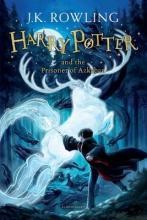
When the Knight Bus crashes through the darkness and screeches to a halt in front of him, it’s the start of another far from ordinary year at Hogwarts for Harry Potter. Sirius Black, escaped mass-murderer and follower of Lord Voldemort, is on the run – and they say he is coming after Harry. In his first ever Divination class, Professor Trelawney sees an omen of death in Harry’s tea leaves … But perhaps most terrifying of all are the Dementors patrolling the school grounds, with their soul-sucking kiss.
These new editions of the classic and internationally bestselling, multi-award-winning series feature instantly pick-up-able new jackets by Jonny Duddle, with huge child appeal, to bring Harry Potter to the next generation of readers. It’s time to PASS THE MAGIC ON …
Julian, Dick, Anne, George and Timmy the dog find excitement and adventure wherever they go in Enid Blyton’s most popular series.
Five On A Treasure Island
A shipwreck off Kirrin Island! But where is the treasure? The Famous Five are searching for clues – but they’re not alone … Someone else has joined the treasure hunt.
Five Go Adventuring Again
A thief at Kirrin Cottage! Who can it be? The Famous Five think they know – but they need proof! Then they find an old map and an unusual hiding place…
Five Run Away Together
Who’s been on George’s Island? And what is locked in the mysterious trunk hidden on Kirrin Island? The Famous Five think they’re on the trail of smugglers – until they hear a child scream…
This 70th anniversary edition features the Classic editions of the first three Famous Five adventures in one volume and contains the original cover art and inside drawings by Eileen Soper.
The 65-Storey Treehouse is the fifth book in Andy Griffiths and Terry Denton’s wacky treehouse adventures, where the laugh-out-loud story is told through a combination of text and fantastic cartoon-style illustrations.
Andy and Terry’s amazing 65-Storey Treehouse now has a pet-grooming salon, a birthday room where it’s always your birthday (even when it’s not), a room full of exploding eyeballs, a lollipop shop, a quicksand pit, an ant farm, a time machine and Tree-NN: a 24-hour-a-day TV news centre keeping you up to date with all the latest treehouse news, current events and gossip.
When 17 year old Isabella Swan moves to Forks, Washington to live with her father she expects that her new life will be as dull as the town.
But in spite of her awkward manner and low expectations, she finds that her new classmates are drawn to this pale, dark-haired new girl in town. But not, it seems, the Cullen family. These five adopted brothers and sisters obviously prefer their own company and will make no exception for Bella.
Bella is convinced that Edward Cullen in particular hates her, but she feels a strange attraction to him, although his hostility makes her feel almost physically ill. He seems determined to push her away – until, that is, he saves her life from an out of control car.
Bella will soon discover that there is a very good reason for Edward’s coldness. He, and his family, are vampires – and he knows how dangerous it is for others to get too close.
Dark times have come to Hogwarts. After the Dementors’ attack on his cousin Dudley, Harry Potter knows that Voldemort will stop at nothing to find him. There are many who deny the Dark Lord’s return, but Harry is not alone: a secret order gathers at Grimmauld Place to fight against the Dark forces. Harry must allow Professor Snape to teach him how to protect himself from Voldemort’s savage assaults on his mind. But they are growing stronger by the day and Harry is running out of time.
These new editions of the classic and internationally bestselling, multi-award-winning series feature instantly pick-up-able new jackets by Jonny Duddle, with huge child appeal, to bring Harry Potter to the next generation of readers. It’s time to PASS THE MAGIC ON …
THE GIVER is the classic award-winning novel that inspired the dystopian genre and a major motion picture adaptation for 2014 starring Jeff Bridges, Meryl Streep, Katie Holmes and Taylor Swift.
It is the future. There is no war, no hunger, no pain. No one in the community wants for anything. Everything needed is provided. And at twelve years old, each member of the community has their profession carefully chosen for them by the Committee of Elders.
Twelve-year old Jonas has never thought there was anything wrong with his world. But from the moment he is selected as the Receiver of Memory, Jonas discovers that their community is not as perfect as it seems.
It is only with the help of the Giver, that Jonas can find what has been lost. And it is only through his personal courage that Jonas finds the strength to do what is right…
The Giver is the award-winning classic of bravery and adventure that has inspired countless dystopian writers as the forerunner of this genre.
The 52-Storey Treehouse is the fourth book in Andy Griffiths and Terry Denton’s wacky treehouse adventures, where the laugh-out-loud story is told through a combination of text and fantastic cartoon-style illustrations.
Winner of the ABIA Book of the Year Award.
Andy and Terry’s incredible, ever-expanding treehouse has thirteen new storeys, including a watermelon-smashing level, a wave machine, a life-size snakes and ladders game (with real ladders and real snakes!), a rocket-powered carrot launcher, a Ninja Snail Training Academy and a high-tech detective agency with all the latest high-tech detective technology. Which is lucky, because they have a BIG mystery to solve – Where is Mr Big Nose???
When Dumbledore arrives at Privet Drive one summer night to collect Harry Potter, his wand hand is blackened and shrivelled, but he does not reveal why. Secrets and suspicion are spreading through the wizarding world, and Hogwarts itself is not safe. Harry is convinced that Malfoy bears the Dark Mark: there is a Death Eater amongst them. Harry will need powerful magic and true friends as he explores Voldemort’s darkest secrets, and Dumbledore prepares him to face his destiny.
These new editions of the classic and internationally bestselling, multi-award-winning series feature instantly pick-up-able new jackets by Jonny Duddle, with huge child appeal, to bring Harry Potter to the next generation of readers. It’s time to PASS THE MAGIC ON …
The unmissable first novel from bestselling and award-winning author of THE FAULT IN OUR STARS and TURTLES ALL THE WAY DOWN.
“In the dark beside me, she smelled of sweat and sunshine and vanilla and on that thin-mooned night I could see little more than her silhouette, but even in the dark, I could see her eyes – fierce emeralds. And beautiful.”
BEFORE. Miles Halter’s whole life has been one big non-event until he starts at anything-but-boring Culver Creek Boarding School and meets Alaska Young. Gorgeous, clever, funny and utterly fascinating she pulls Miles into her world, launches him into a new life, and steals his heart. But when tragedy strikes, and Miles comes face-to-face with death he discovers the value of living and loving unconditionally.
AFTER: Nothing will ever be the same.
Poignant, funny, heartbreaking and compelling, this novel will stay with you forever.
The Triwizard Tournament is to be held at Hogwarts. Only wizards who are over seventeen are allowed to enter – but that doesn’t stop Harry from dreaming that he will win the competition. Then at Hallowe’en, when the Goblet of Fire makes its selection, Harry is amazed to find his name is one of those that the magical cup picks out. He will face death-defying tasks, dragons and Dark wizards, but with the help of his best friends, Ron and Hermione, he might just make it through – alive!
These new editions of the classic and internationally bestselling, multi-award-winning series feature instantly pick-up-able new jackets by Jonny Duddle, with huge child appeal, to bring Harry Potter to the next generation of readers. It’s time to PASS THE MAGIC ON …
As he climbs into the sidecar of Hagrid’s motorbike and takes to the skies, leaving Privet Drive for the last time, Harry Potter knows that Lord Voldemort and the Death Eaters are not far behind. The protective charm that has kept Harry safe until now is now broken, but he cannot keep hiding. The Dark Lord is breathing fear into everything Harry loves, and to stop him Harry will have to find and destroy the remaining Horcruxes. The final battle must begin – Harry must stand and face his enemy.
These new editions of the classic and internationally bestselling, multi-award-winning series feature instantly pick-up-able new jackets by Jonny Duddle, with huge child appeal, to bring Harry Potter to the next generation of readers. It’s time to PASS THE MAGIC ON …
The action-packed, heart-wrenching and fantastically addictive sequel to Sarah J. Maas’s epic YA fantasy debut THRONE OF GLASS.
Eighteen-year-old Celaena Sardothien is bold, daring and beautiful – the perfect seductress and the greatest assassin her world has ever known. But though she won the King’s contest and became his champion, Celaena has been granted neither her liberty nor the freedom to follow her heart. Celaena faces a choice that is tearing her to pieces: kill in cold blood for a man she hates, or risk sentencing those she loves to death. Celaena must decide what she will fight for: survival, love or the future of a kingdom. Because an assassin cannot have it all … And trying to may just destroy her.
Reminded me not just what it’s like to be young and in love, but what it’s like to be young and in love with a book’ John Green, author of The Fault in our Stars
Eleanor is the new girl in town, and she’s never felt more alone. All mismatched clothes, mad red hair and chaotic home life, she couldn’t stick out more if she tried.
Then she takes the seat on the bus next to Park. Quiet, careful and – in Eleanor’s eyes – impossibly cool, Park’s worked out that flying under the radar is the best way to get by.
Slowly, steadily, through late-night conversations and an ever-growing stack of mixtapes, Eleanor and Park fall in love. They fall in love the way you do the first time when you’re 16, and you have nothing and everything to lose.
Set over the course of one school year in 1986, Eleanor & Park is funny, sad, shocking and true – an exquisite nostalgia trip for anyone who has never forgotten their first love.
The eighth novel from NUMBER ONE bestselling author, David Walliams – now available in paperback!
Jack’s Grandpa…
*wears his slippers to the supermarket
*serves up Spam a la Custard for dinner
*and often doesn’t remember Jack’s name
But he can still take to the skies in a speeding Spitfire and save the day…
An exquisite portrait of the bond between a small boy and his beloved Grandpa – this book takes readers on an incredible journey with Spitfires over London and Great Escapes through the city in a high octane adventure full of comedy and heart.
From the #1 bestselling author of Turtles All the Way Down and The Fault in Our Stars
Winner of the Edgar Award for Best Young Adult Mystery
#1 New York Times Bestseller
USA Today Bestseller
Publishers Weekly Bestseller
Now a major motion picture
When Margo Roth Spiegelman beckons Quentin Jacobsen in the middle of the night–dressed like a ninja and plotting an ingenious campaign of revenge–he follows her. Margo’s always planned extravagantly, and, until now, she’s always planned solo. After a lifetime of loving Margo from afar, things are finally looking up for Q . . . until day breaks and she has vanished. Always an enigma, Margo has now become a mystery. But there are clues. And they’re for Q. Printz Medalist John Green returns with the trademark brilliant wit and heart-stopping emotional honesty that have inspired a new generation of readers.
From number one bestselling author David Walliams comes another heartfelt but hilarious hoot of an adventure
Stella Saxby is the sole heir to Saxby Hall. But awful Aunt Alberta and her giant owl will stop at nothing to get it from her. Luckily Stella has a secret – and slightly spooky – weapon up her sleeve…
Bella?’
Edward’s soft voice came from behind me. I turned to see him spring lightly up the porch steps, his hair windblown from running. He pulled me into his arms at once and kissed me again. His kiss frightened me. There was too much tension, too strong an edge to the way his lips crushed mine – like he was afraid we had only so much time left to us.
As Seattle is ravaged by a string of mysterious killings and a malicious vampire continues her quest for revenge, Bella once again finds herself surrounded by danger. In the midst of it all, she is forced to choose between her love for Edward and her friendship with Jacob – knowing that her decision has the potential to ignite the ageless struggle between vampire and werewolf. With her graduation approaching, Bella has one more decision to make: life or death. But which is which?
Following the international bestsellers Twilight and New Moon, Eclipse is the much-anticipated third book in Stephenie Meyer’s captivating saga of vampire romance.
Sarah J. Maas’s global #1 bestselling THRONE OF GLASS series reaches new heights in this sweeping fourth instalment.
Everyone Celaena Sardothien loves has been taken from her. Now she returns to the empire – to confront the shadows of her past …
Bloodthirsty for revenge on the two men responsible for destroying her life, and desperate to find out if the prince and his captain are safe, Celaena returns to Rifthold. She has accepted her identity as Aelin Galathynius, the lost Queen of Terrasen. But before she can reclaim her throne, there are dark truths to learn and debts to be paid. Aelin must stay hidden beneath her assassin’s hood and draw on her mortal strength as Celaena to prevent the King of Adarlan from tearing her world apart. Only then can she fight for her people.
Readers will be held rapt as Celaena’s story builds to an agonising crescendo, packed with heart-pounding action and searing romance.
The second laugh-out-loud, fully-illustrated Diary of a Wimpy Kid book from #1 international bestselling author Jeff Kinney! A global phenomenon with 250 million copies of the series sold worldwide!
It’s a brand-new year and a brand-new journal and Greg Heffley is keen to put the humiliating (and secret!) events of last summer firmly behind him.
But someone knows everything, someone whose job it is to most definitely not keep anything embarrassing of Greg’s private: his big brother, Rodrick. Can Greg make it through this new school year with his cool(ish) reputation intact?
WHAT’S IN DIARY OF A WIMPY KID?
50% words, 50% cartoons, 100% hilarious!
Stories that all readers can’t wait to get their hands on
Laughter guaranteed!
*BRAND NEW* DIARY OF A WIMPY KID: THE DEEP END IS OUT NOW!
And DON’T MISS an all-new fantasy from Greg’s best friend in Rowley Jefferson’s Awesome Friendly Adventure, the follow-up to the instant #1 bestseller Diary of an Awesome Friendly Kid: Rowley Jefferson’s Journal.
‘Kinney is right up there with J K Rowling as one of the bestselling children’s authors on the planet’ Independent
Have you read all the DIARY OF A WIMPY KID series?
Diary of a Wimpy Kid
Diary of a Wimpy Kid: Roderick Rules
Diary of a Wimpy Kid: The Last Straw
Diary of a Wimpy Kid: Dog Days
Diary of a Wimpy Kid: The Ugly Truth
Diary of a Wimpy Kid: Cabin Fever
Diary of a Wimpy Kid: The Third Wheel
Diary of a Wimpy Kid: Hard Luck
Diary of a Wimpy Kid: The Long Haul
Diary of a Wimpy Kid: Old School
Diary of a Wimpy Kid: Double Down
Diary of a Wimpy Kid: The Getaway
Diary of a Wimpy Kid: The Meltdown
Diary of a Wimpy Kid: Wrecking Ball
Diary of a Wimpy Kid: The Deep End – the BRAND NEW Wimpy Kid book – out now!!
The third instalment to the global #1 bestselling series.
As the King of Adarlan’s Assassin, Celaena Sardothien is bound to serve the tyrant who slaughtered her dear friend. But she has vowed to make him pay. The answers Celaena needs to destroy the king lie across the sea Wendlyn. And Chaol, Captain of the King’s Guard, has put his future in jeopardy to send her there.
Yet as Celaena seeks her destiny in Wendlyn, a new threat is preparing to take to the skies. Will Celaena find the strength not only to win her own battles, but to fight a war that could pit her loyalties to her own people against those she has grown to love?
This third novel in the THRONE OF GLASS sequence, from global #1 bestselling author Sarah J. Maas, is packed with more heart-stopping action, devastating drama and swoonsome romance, and introduces some fierce new heroines to love and hate.
The sparkling debut children’s novel from David Walliams, the number one bestseller and fastest growing children’s author in the country, with a sparkling new cover, look to tie in with later books.
Dennis was different.
Why was he different, you ask?
Well, a small clue might be in the title of this book…
Charming, surprising and hilarious – The Boy in the Dress is everything you would expect from the co-creator of Little Britain. David Walliams’s beautiful first novel will touch the hearts (and funny bones) of children and adults alike.
Weave legendary stories in the world’s greatest roleplaying game. All you need to run a Dungeons & Dragons game is your imagination, some dice, and this book. The Dungeon Master’s Guide teaches you how to how to run D&D adventures for your players– how to invent monsters for them to fight, mysteries for them to solve, and fantasy worlds for them to explore. “[The Dungeon Master’s Guide is] the one book to rule them all, the most comprehensive and powerful set of resources needed to run a game of D&D. .”
–Charlie Hall, Polygon.com “D&D acolytes are everywhere…Tech workers from Silicon Valley to Brooklyn have long-running campaigns, and the showrunners and the novelist behind ‘Game of Thrones’ have all been Dungeon Masters.”–Neima Jahromi, The New Yorker – The Dungeon Master’s Guide is one of the three main Dungeons & Dragons books, along with the Player’s Handbook and Monster Manual. It’s a reference used by the Dungeon Master (the game’s narrator) to create adventures–to run Dungeons & Dragons games and fill them with characters and stories. – The Dungeon Master’s Guide (DMG) is full of tools to help you immerse players in the game. What’s the demon lord’s secret weakness? Are the orcish invaders a criminal enterprise, or traitorous allies? Dozens of tables throughout the book help inspire your decisions and keep the game flowing smoothly. – In the Dungeon Master’s Guide (DMG), even the tables tell tales. A legendary sword takes five decades to craft. Who created it, and why? A tavern-crawling gnome has an eye twitch. How did she get it, and when? In every detail is an architecture for narrative–and the Dungeon Master’s Guide has all the tools you need to flesh it out with ease. – In Dungeons & Dragons, you and your friends coauthor your own legend. Guided by a Dungeon Master, you create characters and play their roles in a story, rolling dice and navigating maps as you unfold a tale as limitless as your imagination. – Dungeons & Dragons is the world’s greatest roleplaying game. Created in 1974, D&D transformed gaming culture by blending traditional fantasy with miniatures and wargaming.
A true genius . . . Roald Dahl is my hero” – David Walliams
“So Matilda’s strong young mind continued to grow, nurtured by the voices of all those authors who had sent their books out into the world like ships on the sea. These books gave Matilda a hopeful and comforting message: You are not alone.”
Matilda is the world’s most famous bookworm, no thanks to her ghastly parents.
Her father thinks she’s a little scab. Her mother spends all afternoon playing bingo.
And her headmistress, Miss Trunchbull?
She’s the worst of all.
She’s a big bully, who thinks all her pupils are rotten and locks them in the dreaded Chokey.
Despite these beastly grownups trying to push her down, Matilda is an extraordinary girl with a magical mind.
And she’s had enough.
So all the terrible adults had better watch out, because she’s going to teach them a lesson they’ll never forget!
Now you can listen to MATILDA and other Roald Dahl audiobooks read by some very famous voices, including Kate Winslet, David Walliams and Steven Fry – plus there are added squelchy soundeffects from Pinewood Studios!
These three stories are heartbreaking, surprising, funny and hopeful. Just like WONDER, AUGGIE & ME will make you laugh, cry and try to choose kind.
Praise for WONDER:
“Remarkable . . . It has the power to move hearts and change minds” (Guardian)
“Incredibly charming, brutal and brilliant” (Observer)
“It wreaks emotional havoc . . . To finish it with a firm resolve to be a better person – well, you can’t ask much more of any book than that” (Independent)
“When the kids have finished with this, the adults will want to read it. Everybody should” (Financial Times)
“Awesome . . . So authentic you’ll swear a kid wrote the book. And yes, that’s a good thing” (Glamour)
This sensitive, informative guide to puberty for girls tackles everything from body image to mood swings, hormones and first bras. Bright, cartoon-style illustrations and scientific diagrams explain the physical and emotional changes of growing up in a simple and reassuring way, while the contents and index pages make key topics easy to find.
Kingdoms collide as Aelin continues her epic journey from assassin to queen in this instalment of the global #1 bestselling series.
The long path to the throne has just begun for Aelin Galathynius. As the kingdoms of Erilea fracture around her, enemies must become allies if Aelin is to keep those she loves from falling to the dark forces poised to claim her world. With war looming on all horizons, the only chance for salvation lies in a desperate quest that may mark the end of everything Aelin holds dear. Will Aelin succeed in keeping her world from splintering, or will it all come crashing down?
Contains mature content. Not suitable for younger readers.
Now a Netflix feature film!
Lara Jean keeps her love letters in a hatbox her mother gave her.
One for every boy she’s ever loved.
When she writes, she can pour out her heart and soul and say all
the things she would never say in real life because her letters
are for her eyes only.
Until the day her secret letters are mailed,
and suddenly Lara Jean’s love life goes from imaginary to out of control!
The first book in the bestselling series by Jenny Han, which
has been made into a NETFLIX feature film
PS I Still Love You is the second book in the series
Always and Forever, Lara Jean is the third book in the
trilogy
I stuck my finger under the edge of the paper and jerked it under the tape. ‘Shoot,’ I muttered when the paper sliced my finger. A single drop of blood oozed from the tiny cut. It all happened very quickly then. ‘No!’ Edward roared … Dazed and disorientated, I looked up from the bright red blood pulsing out of my arm – and into the fevered eyes of the six suddenly ravenous vampires.
For Bella Swan, there is one thing more important than life itself: Edward Cullen. But being in love with a vampire is more dangerous than Bella ever could have imagined. Edward has already rescued Bella from the clutches of an evil vampire but now, as their daring relationship threatens all that is near and dear to them, they realise their troubles may just be beginning …
From the author of The BFG and Matilda! Willy Wonka’s famous chocolate factory is opening at last! But only five lucky children will be allowed inside. And the winners are Augustus Gloop, an enormously fat boy whose hobby is eating; Veruca Salt, a spoiled-rotten brat whose parents are wrapped around her little finger; Violet Beauregarde, a dim-witted gum-chewer with the fastest jaws around; Mike Teavee, a toy pistol-toting gangster-in-training who is obsessed with television; and Charlie Bucket, Our Hero, a boy who is honest and kind, brave and true, and good and ready for the wildest time of his life!
The Magic Faraway Tree Collection contains all three much-loved books in the Faraway Tree series by the world’s best-loved children’s author, Enid Blyton.
When Joe, Beth and Frannie move to a new home, an Enchanted Wood is on their doorstep. And when they discover the Faraway Tree, it proves to be the beginning of many magical adventures! Join them and their friends Moonface, Saucepan Man and Silky the fairy as they discover which new land is at the top of the Faraway Tree. Will it be the Land of Spells, the Land of Treats, or the Land of Do-As-You-Please? Come on an amazing adventure – there’ll be adventures waiting whatever happens.
Also, lookout for the Blyton Colour Reads series. Chock full of vibrant colour illustrations from Alex Paterson, these are the perfect way to introduce the Faraway Tree adventures to children aged five and up.
Enid Blyton’s funny, magical adventure stories have become true classics, loved by millions and still selling thousands of copies every year. She is arguably the most famous children’s author of all time, thanks to series such as The Wishing-Chair, The Faraway Tree-, The Mysteries, The Famous Five and The Secret Seven.
Diana Wynne Jones’s entrancing, classic fantasy novel is filled with surprises at every turn.
Sophie has the great misfortune of being the eldest of three daughters, destined to fail miserably should she ever leave home to seek her fate. But when she unwittingly attracts the ire of the Witch of the Waste, Sophie finds herself under a horrid spell that transforms her into an old lady. Her only chance at breaking it lies in the ever-moving castle in the hills: the Wizard Howl’s castle. To untangle the enchantment, Sophie must handle the heartless Howl, strike a bargain with a fire demon, and meet the Witch of the Waste head-on. Along the way, she discovers that there’s far more to Howl–and herself–than first meets the eye.
In this giant jigsaw puzzle of a fantasy, people and things are never quite what they seem. Destinies are intertwined, identities exchanged, lovers confused. The Witch has placed a spell on Howl. Does the clue to breaking it lie in a famous poem? And what will happen to Sophie Hatter when she enters Howl’s castle?
“A fun way to get kids interested in Harry Potter also interested in food.” –New York magazine Conjure up feasts that rival the Great Hall’s, sweets fit for the Minister of Magic, snacks you’d find on the Hogwarts Express, and more! This bestselling unofficial Harry Potter cookbook is perfect for chefs of all ages, from new readers to longtime fans–no wands required! Bangers and mash with Harry, Ron, and Hermione in the Hogwarts dining hall. A proper cuppa tea and rock cakes in Hagrid’s hut. Cauldron cakes and pumpkin juice on the Hogwarts Express. With this cookbook, dining a la Hogwarts is as easy as Banoffee Pie! With more than 150 easy-to-make recipes, tips, and techniques, you can indulge in spellbindingly delicious meals drawn straight from the pages of your favourite Potter stories, such as Treacle Tart–Harry’s favourite dessert
Molly’s Meat Pies–Mrs. Weasley’s classic dish
Kreacher’s French Onion Soup
Pumpkin Pasties–a staple on the Hogwarts Express cart With a dash of magic and a drop of creativity, you’ll conjure up the entrees, desserts, snacks, and drinks you need to transform ordinary Muggle meals into magical culinary masterpieces, sure to make even Mrs. Weasley proud!
ILLUSTRATED BY CHRISTIAN BIRMINGHAM.
A lyrical and moving tale of a young boy growing up in Africa, and his lifelong friendship with a white lion.
“All my life I’ll think of you, I promise I will. I won’t ever forget you.”
Bertie rescues an orphaned white lion cub from the African veld. They are inseparable until Bertie is sent to boarding school far away in England and the lion is sold to a circus. Bertie swears that one day they will see one another again, but it is the butterfly lion that ensures that their friendship will never be forgotten.
Fill your Dungeons & Dragons games with deadly monsters from the Monster Manual.
The Monster Manual teaches you how to how to fill your Dungeons & Dragons games with monsters–how to populate the game with pesky goblins and mighty dragons for players to battle or beguile, outwit or outrun. Inside the Monster Manual, you’ll find more than 150 classic D&D creatures, with vivid illustrations and rich descriptions to help breathe life into your zombies and liches. “…What if I told you about the best book of monsters ever? The 5E Monster Manual just might be the one…”–Ed Grabianowski, io9.Gizmodo.com “D&D acolytes are everywhere…Tech workers from Silicon Valley to Brooklyn have long-running campaigns, and the showrunners and the novelist behind ‘Game of Thrones’ have all been Dungeon Masters.”–Neima Jahromi, The New Yorker
– The Monster Manual is one of the three main Dungeons & Dragons books, along with the Player’s Handbook and the Dungeon Master’s Guide. It’s an essential resource for Dungeon Masters to use in populating any type of challenge they might contrive for their players. – From an angel’s wingspan to the vacant eyes of a zombie beholder, the Monster Manual includes more than 150 creatures illustrated in vivid color, with more than 400 quick reference tables to help you bring them to life with ease. – Rich Descriptions of each monster help trigger your imagination. From the familiar (“vampires hate sunlight”) to the arcane (“what color is the vapor from a gorgon’s nose?”), the Monster Manual helps inspire your decisions and keep the game flowing smoothly. – In Dungeons & Dragons, you and your friends coauthor your own legend. Guided by a Dungeon Master, you create characters and play their roles in a story, rolling dice and navigating maps as you unfold a tale as limitless as your imagination. – Dungeons & Dragons is the world’s greatest roleplaying game. Created in 1974, D&D transformed gaming culture by blending traditional fantasy with miniatures and wargaming.
With bright, cartoon-style illustrations and clear diagrams this sensitive, detailed and informative guide explains male puberty in a reassuring and friendly way. It tackles everything from physical and hormonal changes to emotional upheaval. Ideal for libraries and schools, the contents and index pages make key topics easy to find.
The third title in the National Geographic Little Kids First Big Book series, this book is for kids 4- to 8-years-old who LOVE dinos!
The prehistoric world comes alive with dinosaurs small, big, giant, and gigantic, with stunning illustrations by Franco Tempesta-who illustrated National Geographic Kids The Ultimate Dinopedia. Bursting with fun facts and age-appropriate information, each spread features a different dinosaur, along with simple text in a big type that is perfect for little kids. Young dino fans will love the interactivity included in every chapter, and parents will appreciate tips to help carry readers’ experience beyond the page.
This is the first book in a brand new series from bestselling author, Maggie Stiefvater. Fans of SHIVER (9781407115009), LINGER (9781407121086) and FOREVER (9781407121116) will love this new quartet! Blue has spent the majority of her sixteen years being told that if she kisses her true love, he will die. When Blue meets Gansey’s spirit on the corpse road she knows there is only one reason why – either he is her true love or she has killed him. Determined to find out the truth, Blue becomes involved with the Raven Boys, four boys from the local private school (lead by Gansey) who are on a quest to discover Glendower – a lost ancient Welsh King who is buried somewhere along the Virginia ley line. Whoever finds him will be granted a supernatural favour. Never before has Blue felt such magic around her. But is Gansey her true love? She can’t imagine a time she would feel like that, and she is adamant not to be the reason for his death. Where will fate lead them? Look out for the next book, THE DREAM THIEVES, out 18th September 2013!
The action-packed introduction to the legendary Throne of Glass series – an irresistible bind-up of all five of #1 New York Times bestselling author Sarah J. Maas’s Assassin novellas
Celaena Sardothien is Adarlan’s most feared assassin. As part of the Assassins’ Guild, her allegiance is to her master, Arobynn Hamel, yet Celaena listens to no one and trusts only her fellow killer-for-hire, Sam.
In these action-packed prequel novellas – together in one edition for the first time – Celaena embarks on five daring missions. They take her from remote islands to hostile deserts, where she fights to liberate slaves and seeks to avenge the tyrannous. But she is acting against Arobynn’s orders and could suffer an unimaginable punishment for such treachery . . .
Explore the dark underworld of this kick-ass heroine and find out how the legend begins in the five page-turning prequel novellas to the New York Times bestselling Throne of Glass series.
“I give this book top grades for humanness and honesty. Some parents will find that its humorousness helps them over the embarrassment.”
–Dr. Spock
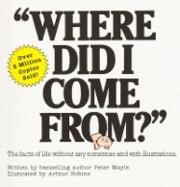
Over A Million Copies Sold! An international and beloved bestselling children’s classic, Where Did I Come From? helps parents and their curious children get up close and personal with the intimate world of human sexuality in the form of a picture book. Told in an age-appropriate voice respectful of young people’s natural intelligence and warmly and relatably illustrated throughout, Where Did I Come From? creates a safe space where families can learn about the traditional facts of life–from the different parts of the body to orgasm to birth. If you’ve been wondering how to have this talk with your children, look no further for a trusted resource that will give you the tools you need to share this critical information sensitively and factually. “The best Description of sexual intercourse that is out there for children.”
–Sexedrescue.com
“You can’t deny Mayle’s talent for translating adult experience into child-level concepts.”
–Kirkus Reviews
Once by Morris Gleitzman is the story of a young Jewish boy who is determined to escape the orphanage he lives in to save his Jewish parents from the Nazis in the occupied Poland of the Second World War.
Everybody deserves to have something good in their life. At least Once.
Once I escaped from an orphanage to find Mum and Dad.
Once I saved a girl called Zelda from a burning house.
Once I made a Nazi with a toothache laugh.
My name is Felix. This is my story.
Once is the first in a series of children’s novels about Felix, a Jewish orphan caught in the middle of the Holocaust, from Australian author Morris Gleitzman – author of Bumface and Boy Overboard. The next books in the series Then, Now and After are also available from Puffin.
From the World’s No. 1 Storyteller, James and the Giant Peach is a children’s classic that has captured young reader’s imaginations for generations. One of TIME MAGAZINE’s 100 Best Fantasy Books of All Time After James Henry Trotter’s parents are tragically eaten by a rhinoceros, he goes to live with his two horrible aunts, Spiker and Sponge. Life there is no fun, until James accidentally drops some magic crystals by the old peach tree and strange things start to happen. The peach at the top of the tree begins to grow, and before long it’s as big as a house. Inside, James meets a bunch of oversized friends–Grasshopper, Centipede, Ladybug, and more. With a snip of the stem, the peach starts rolling away, and the great adventure begins! Roald Dahl is the author of numerous classic children’s stories including Charlie and the Chocolate Factory, Matilda, The BFG, and many more! “James and the Giant Peach remains a favorite among kids and parents alike nearly 60 years after it was first published, thanks to its vivid imagery, vibrant characters and forthright exploration of mature themes like death and hope.” –TIME Magazine
The latest jaw-achingly funny, number-one bestselling novel from David Walliams – now out in paperback. Make your appointment if you dare…
Darkness had come to the town. Strange things were happening in the dead of night. Children would put a tooth under their pillow for the tooth fairy, but in the morning they would wake up to find… a dead slug; a live spider; hundreds of earwigs creeping and crawling beneath their pillow.
Evil was at work. But who or what was behind it…?
#1 NEW YORK TIMES BESTSELLER – NEWBERY MEDAL WINNER – NATIONAL BOOK AWARD WINNER
Dig deep in this award-winning, modern classic that will remind readers that adventure is right around the corner–or just under your feet!
Stanley Yelnats is under a curse. A curse that began with his no-good-dirty-rotten-pig-stealing-great-great-grandfather and has since followed generations of Yelnatses. Now Stanley has been unjustly sent to a boys’ detention center, Camp Green Lake, where the boys build character by spending all day, every day digging holes exactly five feet wide and five feet deep. There is no lake at Camp Green Lake. But there are an awful lot of holes. It doesn’t take long for Stanley to realize there’s more than character improvement going on at Camp Green Lake. The boys are digging holes because the warden is looking for something. But what could be buried under a dried-up lake? Stanley tries to dig up the truth in this inventive and darkly humorous tale of crime and punishment–and redemption. A smart jigsaw puzzle of a novel. –New York Times
*Includes a double bonus: an excerpt from Small Steps, the follow-up to Holes, as well as an excerpt from the New York Times bestseller Fuzzy Mud.
The first-ever illustrated Harry Potter pop-up book, based on the creative work of the most successful film franchise in history, Harry Potter: The Pop Up Book is the must-have a pop-up gift for Potter fans and aspiring wizards! This collectible Harry Potter pop-up book, based on the creative development of the films, features exquisite original artwork by Andrew Williamson, concept artist for all eight movies. With dynamic pop-ups animating memorable moments and locations — like the Triwizard Tournament, Diagon Alley, and Hogwarts Castle — Harry Potter: A Pop-Up Book offers a 3-D glimpse into the amazing world, as seen in the films. This deluxe book will delight Harry Potter fans with dynamic pop-up ingenuity, insights from the creative team who turned JK Rowling’s stories into movie magic, fascinating facts about the magical universe seen in the movies, and Harry Potter memories and memorabilia packed into every page.
One of the greatest novels of the 20th century by one of the greatest writers in American history – THE BOOK THAT WON ERNEST HEMINGWAY THE NOBEL PRIZE FOR LITERATURE
Set in the Gulf Stream off the coast of Havana, Hemingway’s magnificent fable is the story of an old man, a young boy and a giant fish.
Here, in a perfectly crafted story, is a unique and timeless vision of the beauty and grief of man’s challenge to the elements in which he lives. Not a single word is superfluous in this widely admired masterpiece, which once and for all established his place as one of the giants of modern literature.
From the World’s No. 1 Storyteller, The Witches is a children’s classic that has captured young reader’s imaginations for generations.
This is not a fairy tale. This is about real witches.
Grandmamma loves to tell about witches. Real witches are the most dangerous of all living creatures on earth. There’s nothing they hate so muchas children, and they work all kinds of terrifying spells to get rid of them. Her grandson listens closely to Grandmamma’s stories-but nothing can prepare him for the day he comes face-to-face with The Grand High Witch herself!
Escape to Hogwarts with the unmissable series that has sparked a lifelong reading journey for children and families all over the world!
Harry Potter has never even heard of Hogwarts when letters start dropping on the doormat at number four, Privet Drive. Addressed in green ink on yellowish parchment with a purple seal, they are swiftly confiscated by his grisly aunt and uncle. Then, on Harry’s eleventh birthday, a great beetle-eyed giant of a man called Rubeus Hagrid bursts in with some astonishing news – Harry Potter is a wizard, and he has a place at Hogwarts School of Witchcraft and Wizardry. The magic starts here …
These irresistible editions are presented in a striking scarlet box decorated with gold foiling, showing Harry on his broomstick flying past a fiery Hungarian Horntail dragon. This set is the essential Harry Potter – a must-have for every child at the start of the most magical reading adventure. These are books to be treasured and read time and time again, the greatest children’s story of all time.
Favourites for nearly 100 years, these classic novels follow the adventures of the spirited redhead Anne Shirley, who comes to stay at Green Gables and wins the hearts of everyone she meets. Complete 8-book box set: Anne of Green Gables, Anne of the Island, Anne of Avonlea, Anne of Windy Poplars, Anne’s House of Dreams, Anne of Ingleside, Rainbow Valley, Rilla of Ingleside.
Lara Jean and her love letters are back in this utterly
irresistible sequel to NETFLIX feature film To All The Boys
I’ve Loved Before.
Lara Jean didn’t expect to really fall for Peter.
But suddenly they are together for real – and it’s far more complicated
than when they were pretending!
A risque video of the two of them has been posted online. Will
Lara Jean ever live it down?
Peter is spending more and more time with his ex. Has he still
got feelings for her?
A boy from Lara Jean’s past has returned, and so too have her
feelings for him.
Can a girl be in love with two boys at once?
Only one thing is certain: falling in love is just the easy part!
The second book in the bestselling series by Jenny Han, which
has been made into a NETFLIX feature film
Always and Forever, Lara Jean is the third book in the
trilogy
Grown-up Meg, tomboyish Jo, timid Beth, and precocious Amy. The four March sisters couldn’t be more different. But with their father away at war, and their mother working to support the family, they have to rely on one another. Whether they’re putting on a play, forming a secret society, or celebrating Christmas, there’s one thing they can’t help wondering: Will Father return home safely?
The fourth laugh-out-loud, fully-illustrated Diary of a Wimpy Kid book from #1 international bestselling author Jeff Kinney! A global phenomenon with 250 million copies of the series sold worldwide!
Greg Heffley’s family are going to have to count their pennies this summer.
That means, no beach holiday and lots of ‘family togetherness’. Which doesn’t sound like a whole lot of fun. The only good thing Greg has to look forward to is his birthday, but even THAT ends in a disaster.
And when his dad brings home a brand-new addition to the family, Greg is outnumbered. It could be a real dog of a summer . . .
WHAT’S IN DIARY OF A WIMPY KID?
50% words, 50% cartoons, 100% hilarious!
Stories that all readers can’t wait to get their hands on
Laughter guaranteed!
*BRAND NEW* DIARY OF A WIMPY KID: THE DEEP END IS OUT NOW!
And DON’T MISS an all-new fantasy from Greg’s best friend in Rowley Jefferson’s Awesome Friendly Adventure, the follow-up to the instant #1 bestseller Diary of an Awesome Friendly Kid: Rowley Jefferson’s Journal.
‘Kinney is right up there with J K Rowling as one of the bestselling children’s authors on the planet’ Independent
Have you read all the DIARY OF A WIMPY KID series?
Diary of a Wimpy Kid
Diary of a Wimpy Kid: Roderick Rules
Diary of a Wimpy Kid: The Last Straw
Diary of a Wimpy Kid: Dog Days
Diary of a Wimpy Kid: The Ugly Truth
Diary of a Wimpy Kid: Cabin Fever
Diary of a Wimpy Kid: The Third Wheel
Diary of a Wimpy Kid: Hard Luck
Diary of a Wimpy Kid: The Long Haul
Diary of a Wimpy Kid: Old School
Diary of a Wimpy Kid: Double Down
Diary of a Wimpy Kid: The Getaway
Diary of a Wimpy Kid: The Meltdown
Diary of a Wimpy Kid: Wrecking Ball
Diary of a Wimpy Kid: The Deep End – the BRAND NEW Wimpy Kid book – out now!!
Now is the third shocking, funny and heartbreaking book in Morris Gleitzman’s Second World War series.
Sometimes facing the past is the bravest act of all…
ONCE
I didn’t know about my grandfather Felix’s scary childhood.
THEN
I found out what the Nazis did to his best friend Zelda.
NOW
I understand why Felix does the things he does.
At least he’s got me. My name is Zelda too. This is our story.
Now is the third in a series of children’s novels about Felix, a Jewish orphan caught in the middle of the Holocaust, from Australian author Morris Gleitzman – author of Bumface and Two Weeks with the Queen. The other books in the series, Once, Then, and After are also available from Puffin.
Why is six afraid of seven?
Because seven eight nine!
Roald Dahl’s Whizzpopping Joke Book is a collection of hundreds of great jokes that would make even the Trunchbull laugh!
Inspired by Roald Dahl’s wonderful world, these gigglesome gags are guaranteed to raise a chuckle and keep human beans young and old entertained for hours on end.
Narrative writing is something that many of my students find particularly difficult because they believe that they do not have a creative person in their body.
However, creativity is something that doesn’t occur naturally but something that we craft and perfect over time. You will find that some of the best writers in the world often have the same self-doubt that you do when you’re writing a narrative text. The good thing about this situation though is that they have time to research ruminate and consider elements of the plot structure.
You, however, have one hour to complete this, which can be particularly difficult. The first thing that you must do when you are writing a story is to consider brainstorm. The brainstorm is a very important part of story writing particularly when you receive a prompt that you need to respond to. When you look at the image or the phrase write down the first words that jump into your mind and do that process for a few minutes or 30 seconds so that you can work through all the ideas that you have in your head.
What you must then do is follow a very precise process that will be laid out here.
1. Planning.
Planning is the most important part of your story writing and most people miss this part because they believe it takes too much time to plan. However, by creating a story arc you will be able to tell where you were going to take the first part of your exposition right through the rising action through to the climax, the falling action and then the resolution. Down below you will find a typical plan for a story that you should follow every time you start writing.
2. Choosing a Narrator.
The second most important decision that you need to make when you are starting to write a story is to decide who will tell the story. The author is the person who writes the story and the narrator is the person who will tell the story. You are the author who is the narrator. You can either tell the story or you can either have a first-person narrator who says “I, we, our, us” or a third-person narrator who says “he, she, they”.
3. Tense.
Choosing the tense in which you write your story is fundamentally important for the story itself and one of the biggest mistakes that students make when they are writing a story is that they change between tenses. If you start your story with “I jumped, I ran, I flew” then you cannot switch to “I run, I jump, I fly”. Make sure you stick to your tense.
4. Keep it short.
When you only have one hour to write a narrative please do not attempt to write a narrative that takes place over days, weeks, months or even years. Your story should take place over one hour, one day or one set in order to make sure that you can address each of the parts of the text in detail. When you are planning your story ensure that the point of climax happens within that same setting day or hour.
For more help on how to write a narrative, contact Perth English Tutor.
When it comes to the last section of your ATAR English exam, there can be some confusion as to what you are actually required to do. This section of the exam is testing your ability to receive a prompt and respond to that prompt in a creative way.
There are many options of creative texts that you can craft in this section but essentially they are broken down into three subsections. These are interpretive, imaginative and persuasive. Most teachers now will teach you how to write a narrative response in response to these exam questions, however, you must be aware that you have more options than just to write a narrative.
One strong way to answer this series of questions is through persuasive. Persuasive essay writing involves taking an opinion on the topic and writing a series of body paragraphs in response to the prompt. Persuasive writing will begin for you in year 3 or year 5 when you were required to do your NAPLAN test. Many of these ideas that you would’ve learnt at a young age should come back and be a part of your learning again as you reach ATAR.
The best thing to do is actually pre-prepare some topics or problems that you are ready to write at a moment’s notice. Here at our top tips for success in writing a persuasive essay for your ATAR exams.
1. Ensure That You Have a Variety of Ideas to Discuss.
When it comes to the composing section of your exam, many students believe that there is no way they can study. This is unequivocally wrong. Being aware of three or four major topics in society and different ideas around those topics will help you actually have something to say. My past students have written about topics from diabetes to euthanasia to racism to bullying to anything else you could possibly write an essay about. The key is to have three or four different ideas that you could go to. The way to decide on these ideas is to brainstorm some of the key issues and topics that interest you and maybe have a look at your other subjects for ideas. Are you a history buff? Perhaps have a look at the efficacy of communism compared to capitalism and you could write or craft an interpretive response to the idea of communism. If you are interested in the sciences perhaps you could write about vaccinations or infectious disease control. There are many different topics that you could write about but the most important thing is to write about something that interests you, otherwise, you’ll find it difficult to maintain steam as the year progresses.
2. Pre-Plan Your Answers and Try and Apply Them to Past Questions.
There are often themes that emerge when you look at different exams over the past 5 to 10 years in English. Things like technology, issues that affect teenagers and issues that affect our society are often cited in the composing section of the exam. Choose three topics that you are interested in and research all of the negatives of these issues, the consequences of these issues and the solutions to these issues and try to apply them to the prompts from past English exams.
3. Focus on Your Integration of Persuasive Devices.
Persuasive devices are those handy little things that help us to understand that the text that you have written is persuasive. These include things such as inclusive language, rhetorical questions, facts and statistics, anecdotal evidence, personal voice, figurative language, emotive language and other elements that you are probably a custom to interpreting in your comprehending section. Please make an effort to remember these and then incorporate them into your text. Markers love to see when students have actually thought through the persuasive elements and try to make an effort to use them cohesively within the peace. A personal favourite of mine is inclusive language when you were talking about issues that affect the whole of society. Ensure that you include at least three of them in each body paragraph.
For more information on how to write and then suasive text for your ATAR English exam, contact Perth English Tutor today.
A few academic assignments require reports rather than essays. The difference between them is that the essay delivers arguments and reasoning whilst a report focuses on facts. The report is a concise and factual document for specific audiences.
This excerpt will teach you an excellent way to write the academic report in five-minute. Stay with us!
Know the Brief:
The report requirements vary from tutor to tutor and subject to subject. Hence the student must know the specific guidelines before starts writing.
Keep in mind the report’s brief, including for whom the report is prepared and what you will analyse?
Stick to the Format:
The report is a structured document, so it needs to be followed by a specific pattern that includes;
Title page: A to-the-point stating of the topic of the report.
Abstract: An Executive Summary summarizes methods, findings, context, and conclusion of the report. Abstract provides a pre-read idea.
Table of contents: a compass of your report to let the reader pick the most relevant section. The content section must be correctly represented.
Introduction: It includes background perspective, aims, objectives, literature, and, in some cases, the ToRs (Terms of References).
Methodology: If the report is based on research activity, the methodology must be elaborated at length, i.e., interviews, literature review, or focus groups.
Findings or results: This section depicts the trends and results with figures, graphs, or tables. Reasons for products should be withheld for the next section.
Discussion – Evaluate your report by restating the central facts, verify the accuracy, and fit the whole extraction into your context.
Recommendations or conclusion – Summarize the outcomes and make some concrete suggestions here.
References – list references of the sources you incorporated in the report. A student must apply standard citation styles like APA, MLA, Harvard, or some other according to their instructor’s requirements.
Appendices – list backup information, statistics and data. However, the information must be relevant to the context and content.
Things that Make A Good University Report:
Consider writing style: The report aims to convey the findings in a precise manner, even to the least knowledgeable. Therefore, the three approaches must be availed.
Plain English: Use crisp and precise English with shorter words and sentences.
Avoid jargon: Restrict jargon in the first place. In the case of compulsion, explain every technical word in a separate bracket or the way more convenient.
Consider the audience: If the report is drafted for a particular segment or person, never forget to address them.
Editing the Draft:
Report writing is a tough task, and the grammatical or typographical errors betray the non-serious attitude of the researcher-cum-writer. To avoid embarrassment and ensure the clarity of the report, the draft must be reviewed repeatedly until it morphs into an immaculate version.
The STAT test is also known as the Special Tertiary Admissions Test, which allows universities to assess whether you are capable of attending and succeeding at university.
The test is suitable for people such as the following:
Mature-age applicants who don’t have a recent or standard Year 12 qualification
Applicants who completed their previous studies outside Australia
Applicants who did not gain a satisfactory ATAR (for certain courses and universities)
The STAT test is your typical aptitude test that evaluates verbal and quantitative reasoning. Specific curriculum knowledge is not required to be able to pass. In other words, you cannot study “content” for the test, just concepts.
There are two different STAT tests that you will be required to complete:
STAT Multiple Choice test
STAT Written English test
DO ALL UNIVERSITIES ACCEPT STAT RESULTS?
Requirements vary from state to state within Australia. Individual institutions set their own admission requirements. You will need to refer to the university of choice.
AM I ELIGIBLE TO SIT THE STAT TEST?
Candidates should check with the institution to which they are applying to assess whether you are eligible as a stat student. As a general rule, an applicant must be 18 years or over by a certain date in the year of admissions to use STAT results in their application but there may be extenuating circumstances.
WHICH TEST(S) DO I SIT?
Refer to the current university course guide to see what the admission requirements are for that particular university. They are the only people that can advise if they will accept STAT results and which test(s) are required (eg Multiple Choice only or Multiple Choice and Written English).
HOW MANY TIMES CAN I SIT STAT?
Candidates may only sit the STAT test once per test cycle. This runs from 15 April to 14 April of the following year.
WHAT IS THE WRITTEN PART OF THE EXAM?
The STAT Written English requires written responses to two themes. Four comments (prompts) will be given for the students to respond to.
The test will offer the following directions to candidates:
DIRECTIONS
There are two parts to this test, and four comments are offered for each part. You are required to produce two pieces of writing − one in response to a comment from Part A, and one in response to a comment from Part B.
Part A is a more formal public affairs issue that invites argument. Part B is a less formal topic that invites more personal reflection.
One hour is allocated for this test, with an additional five minutes reading time.
Your responses to the essay comments are written directly on the test paper. You should write your essays neatly and legibly in pen.
Circle the comment you are responding to. Do not try to address all of the other comments
Give each piece of writing a title that will help orient a reader to the approach you are taking.
The following themes and comments indicate the kind of stimulus material that will be offered in this test
PRACTICE QUESTIONS
PART A
Technology has a destablising effect on humans and should be used with caution.
Technology presents humanity with the greatest opportunity ever known to man.
Too much of technological advancement is focused on greed rather than on good.
If we can provide all of humanity with the tools and technology, we will be able to solve the world’s biggest problems.
PART B
Family is the most important part of our lives because it gives us our grounding and stability in life.
Individuals should be able to decide whether they spend time with their family or take their personal space.
It is important to make our own space in the world rather than fall into the same patterns as our family.
Having boundaries in our life is the most important thing we can do for our mental health.
Waking up on the first day of year seven can be a very daunting experience. There are many different challenges the young people face in high school nowadays including but not limited to cyber bullying, issues with resilience, anxiety and depression and myriad others.
Many of your child’s subjects will change and adapt from a primary school curriculum to high school curriculum. The English curriculum in the transition from primary school to high school changes, however many of those foundational skills will still be tested. Students must be able to use grammar, punctuation, spelling, diction, syntax and many of the other language devices that make our writing soar.
When you are looking at helping your child transition from Year 6 to Year seven and studying English there are a few things that you need to know.
1. Find Your Reading Mojo
There is nothing worse than coming to school on the first day of year seven and not knowing what is going on. Usually your school will give you your booklist in advance of going into year seven and all of the required reading will be on that booklist. This gives your child a chance to get a head start on any of the reading that they will need to do during the year. If not, there are plenty of other options available to students but the most important thing is that they start reading as soon as possible.
Reading is the one skill that you can’t just pick up in your 11 and be really, really good at it. Many of my students wish that they had started reading earlier and many of my parents just don’t know how to make their child read. The biggest thing about choosing a book in the transition from year 6 to 7 is helping your child choose coming-of-age stories to help them navigate this difficult period in their lives.
2. Learn Your Grammar and Punctuation
There is nothing that a high school teacher dislikes more and students who do not have the basic grasp of English grammar and punctuation. Over the term break, have your child do some simple activities on commas, possessive, apostrophes, contractions, plurals and capital letters and how to structure a good sentence.
There are many sites online that give simple activities for year six year seven level that should be suited to your child.
3. Get Out There and Have Some Experiences
Having options and activities outside of school work actually helps your child to learn to plan their day and find other experiences to talk about when they are doing. English requires a lot of creative writing in year 7 to year 12 and when they don’t have fulfilling experiences outside of the classroom it can become difficult to imagine what they should write about in their stories in their feature articles and memoirs.
One thing you can do is make an effort to sit down with your family every Friday night and watch a film together and discuss the plot and ask them some simple questions after watching the film to encourage your child to think about how films are structured and how narratives are structured this will help come up with fantastic ideas when they are then in their classroom and having to think about a story.
Some other things you can do is send them to drama lessons, coding camp or other classes during the holidays that will give them fresh experiences of the world and allow them to flex their creativity. Finally, a free way to do this is to get out and experience nature – go down to the beach and describe what you say, go into the hills and describe all the nature that’s around you. There are things all around us in our lives and we have to help children open their eyes to the different experiences.
Language features are the specific language techniques that an author includes to create meaning. Literary elements are aspects of a text that the reader interprets, for example, themes and characterisation. Literary elements and language features both come under the umbrella of literary devices, along with the conventions of other genres (for example, dramatic or poetic conventions).
Literary elements and language features are closely linked, and it is essential that you are able to discuss how they work together to form complex analysis. A clear example of this is characterisation. Characterisation is how a particular character is constructed and represented – this is a literary element. However this construction is formed through language features, such as the selection of particular words (diction).